The UK’s local business landscape is more competitive than ever. With over 5.5 million small and medium-sized enterprises (SMEs) vying for attention, standing out in your community isn’t optional—it’s essential. Here’s the kicker: 63% of UK consumers prefer to support local businesses, but only if they know about them. That’s where a local advertising campaign in UK becomes your secret weapon.
However, throwing money at ads without a strategy is like shouting into the void. The difference between success and wasted budget? Precision planning, hyper-local targeting, and a deep understanding of your audience. Whether you’re a high-street café, a boutique gym, or a family-run shop, this guide will show you how to craft a local marketing strategy that delivers real results.
The State of Local Advertising in the UK: Trends You Can’t Ignore
The UK’s local advertising scene is evolving rapidly. Traditional methods like flyers and newspaper ads still have their place, but digital now dominates. Here’s what’s shaping the market in 2026:
- Mobile-First Consumers: Over 80% of UK adults use smartphones to find local businesses. If your ads aren’t mobile-optimized, you’re invisible.
- Hyper-Local Targeting: Platforms like Google Ads and Facebook allow you to target customers within a 1-mile radius of your store.
- Community Trust: 72% of consumers trust local businesses more than national chains. Your campaign should leverage this trust.
- Video and Social Proof: Short-form video ads and customer reviews now drive 3x more engagement than static images.
The message is clear: Generic ads don’t work. Your campaign must be personalized, data-driven, and deeply local.
Step 1: Define Your Campaign Goals—What Does Success Look Like?
Before diving into tactics, ask: What do I want this campaign to achieve? Common goals for local advertising include:
- Increasing foot traffic to your physical store.
- Boosting online orders or bookings.
- Building brand awareness in your community.
- Promoting a specific product or event.
Pro Tip: Use the SMART framework to set goals:
- Specific: “Increase weekend foot traffic by 20%.”
- Measurable: Track with Google Analytics or in-store counters.
- Achievable: Base targets on past performance.
- Relevant: Align with your business needs.
- Time-bound: “Achieve this in 3 months.”
Without clear goals, you’ll waste time and money chasing vague outcomes.
Step 2: Know Your Audience—Who Are You Really Talking To?
The UK is diverse, and so are its local markets. A campaign that works in Manchester’s Northern Quarter won’t necessarily resonate in Cornwall’s coastal towns. Here’s how to pinpoint your audience:
Demographic Deep Dive
- Age: Are you targeting students, young professionals, or retirees?
- Income Level: Does your product appeal to budget-conscious shoppers or luxury buyers?
- Interests: Use tools like Facebook Audience Insights to uncover hobbies and behaviors.
Psychographic Insights
- Values: Do your customers prioritize sustainability, convenience, or exclusivity?
- Pain Points: What problems does your product solve? For example, a local gym might target “busy parents who want quick workouts.”
Pro Tip: Create buyer personas—fictional profiles of your ideal customers. Give them names, ages, and backstories to make your targeting sharper.
Step 3: Choose the Right Channels—Where Will Your Ads Shine?
Not all advertising channels are created equal. Your choice depends on your audience, budget, and goals. Here’s a breakdown of the most effective options for a local advertising campaign in UK:
Digital Channels: Precision and Scalability
- Google Ads (Local Search Ads): Capture customers searching for businesses like yours. Use location extensions to show your address and phone number.
- Facebook and Instagram Ads: Ideal for visual businesses (e.g., restaurants, salons). Use carousel ads to showcase multiple products.
- Nextdoor and Local Facebook Groups: Hyper-local platforms where community recommendations thrive.
Traditional Channels: Tangible and Trusted
- Flyers and Posters: Still effective in high-footfall areas like train stations or shopping centres.
- Local Newspapers and Magazines: Great for older demographics. Consider sponsored articles for credibility.
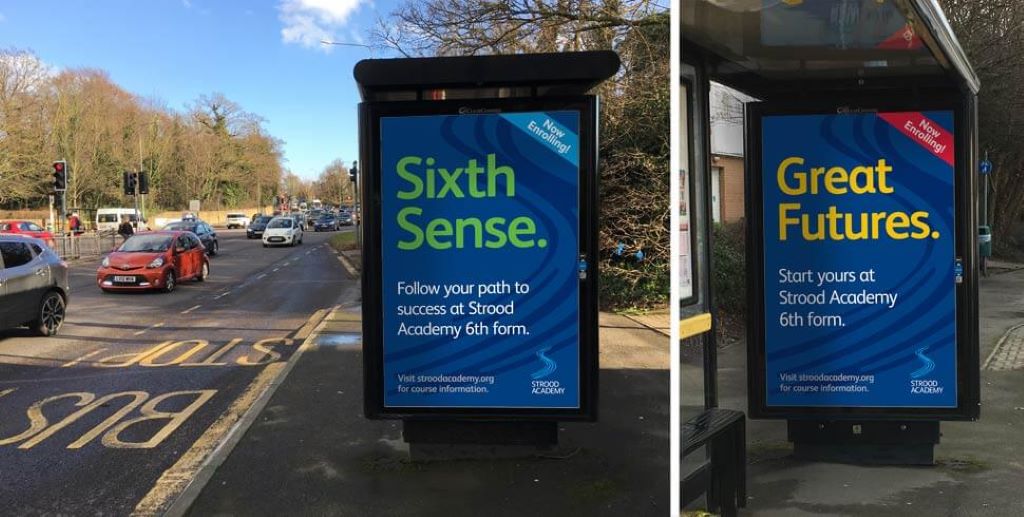
- Outdoor Advertising: Billboards or bus stop ads work well in city centres.
Emerging Channels: The Future of Local Ads
- TikTok Local Ads: Short, engaging videos can go viral in your community.
- WhatsApp Business: Send promotions directly to customers’ phones.
- Local Influencers: Partner with micro-influencers (1k–50k followers) who resonate with your audience.
Pro Tip: Start with two channels max. Test, measure, and scale what works.
Step 4: Craft Compelling Ad Creative—Words and Visuals That Convert
Your ad creative is the face of your campaign. Weak messaging or poor design means wasted impressions. Here’s how to make yours stand out:
Headlines That Grab Attention
Use power words and local triggers:
- “Birmingham’s Best Coffee—Now Open Late!”
- “Exclusive Deal for Bristol Locals: 50% Off This Week!”
Visuals That Stop the Scroll
- High-quality images of your product, team, or happy customers.
- Short videos (under 15 seconds) showing your product in action.
- User-generated content (e.g., customer photos with your product).
Offers They Can’t Resist
- Limited-time discounts: “First 50 customers get a free gift!”
- Local loyalty programs: “Show this ad for 10% off—valid for Cardiff residents only.”
- Community-focused deals: “Support local: Buy one, donate one to a food bank.”
Pro Tip: A/B test different creatives. Small tweaks—like changing a headline or image—can double your click-through rate.
Step 5: Set a Budget—How Much Should You Spend?
Budgeting for local advertising varies widely. Here’s a realistic breakdown for UK businesses:
- Micro-Businesses (£0–£500/month): Focus on organic social media, local SEO, and flyers.
- Small Businesses (£500–£2,000/month): Add Google Ads, Facebook Ads, and local sponsorships.
- Established Businesses (£2,000+/month): Invest in video ads, influencer partnerships, and outdoor advertising.
Pro Tip: Allocate 20% of your budget to testing. Try new channels or creatives to find hidden opportunities.
Step 6: Track and Optimize—Turn Data into Results
Running a campaign without tracking is like driving blindfolded. Use these tools to measure success:
- Google Analytics: Track website traffic from your ads.
- Facebook Ads Manager: Monitor clicks, impressions, and conversions.
- In-Store Metrics: Ask customers, “How did you hear about us?”
Key Metrics to Watch:
- Click-Through Rate (CTR): Above 2% is good for local ads.
- Cost Per Lead (CPL): Aim for under £5 for most industries.
- Return on Ad Spend (ROAS): A 3:1 ratio (£3 earned for every £1 spent) is a solid benchmark.
Pro Tip: Optimize weekly. Pause underperforming ads and double down on what works.
Reviews: Real UK Businesses Share Their Local Ad Success Stories
Case Study 1: The Café That Doubled Foot Traffic
The Daily Grind, Edinburgh
*“We ran a ‘Free Coffee for Locals’ Facebook ad targeting people within 1 mile. Our weekend sales increased by 120% in a month. The key? Hyper-local targeting and a clear offer.”*
Case Study 2: The Gym That Filled Classes Overnight
FitLife, Manchester
*“We partnered with a local fitness influencer for a TikTok challenge. Our 7-day free trial sign-ups tripled. The secret? Authentic, relatable content.”*
7 FAQs About Planning Local Advertising Campaigns in UK
1. How long should a local ad campaign run?
Start with 4–6 weeks to gather data. Successful campaigns can run indefinitely with optimizations.
2. What’s the best time to run local ads?
For retail, weekends and holidays perform best. For B2B, weekday mornings work well.
3. Can I run a local campaign with no budget?
Yes! Focus on organic social media, local SEO, and word-of-mouth. Partner with complementary businesses for cross-promotions.
4. How do I target competitors’ customers?
Use Facebook’s “Lookalike Audiences” to target users similar to your competitors’ followers.
5. Should I use humour in my local ads?
If it aligns with your brand, yes! Funny or quirky ads get shared more often.
6. How do I handle negative comments on my ads?
Respond politely and publicly, then take the conversation offline. Example: “We’re sorry to hear that. DM us to discuss!”
7. What’s the biggest mistake in local advertising?
Ignoring data. Always track performance and adjust your strategy.
Related Topics:
Conclusion: Your Local Advertising Blueprint for 2026
Planning a local advertising campaign in UK isn’t about luck—it’s about strategy, creativity, and relentless optimization. The businesses that thrive are those that understand their audience, leverage the right channels, and turn data into action.
Your action plan:
- Set SMART goals for your campaign.
- Define your audience with detailed personas.
- Choose 1–2 channels to start and master them.
- Craft irresistible ad creative with local appeal.
- Track, test, and optimize every step of the way.
The UK’s local market is ripe with opportunity. Your next customer is out there—go find them.
Ready to launch? Start planning your local marketing strategy today and watch your business grow!