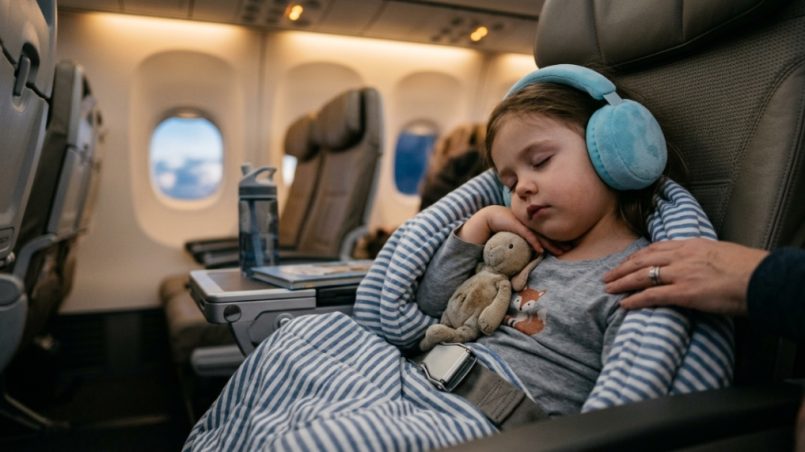
A child on a 5-hour flight without proper headphones experiences 80–85 decibels of constant engine noise—equivalent to standing next to a running lawnmower for the entire journey, creating fatigue, irritability, and potential hearing stress that turns an already challenging family travel experience into a miserable one. Keeping kids comfortable during long flights requires travel headphones for kids specifically designed to neutralize aircraft cabin noise while remaining physically comfortable for 3–8 hours of continuous wear, a combination that standard kids’ headphones without noise cancellation and adult headphones without child-appropriate sizing both fail to deliver.
Travel headphones for kids are lightweight noise-canceling headphones with child-safe volume limiting, a compact foldable design for carry-on storage, extended battery life exceeding flight duration, and cushioning engineered to maintain comfort against airplane seat headrests for hours. The challenge parents face in-flight? A child who rejects uncomfortable headphones within 30 minutes then experiences the full assault of cabin noise that causes exhaustion, disrupted sleep, sensory overload, and the cranky behavior that makes flights miserable for the entire family. The right comfortable headphones for kids transform the flight experience from an endurance test to a manageable journey—for the child and every passenger within earshot.
Why Is Airplane Noise Particularly Harmful for Children?
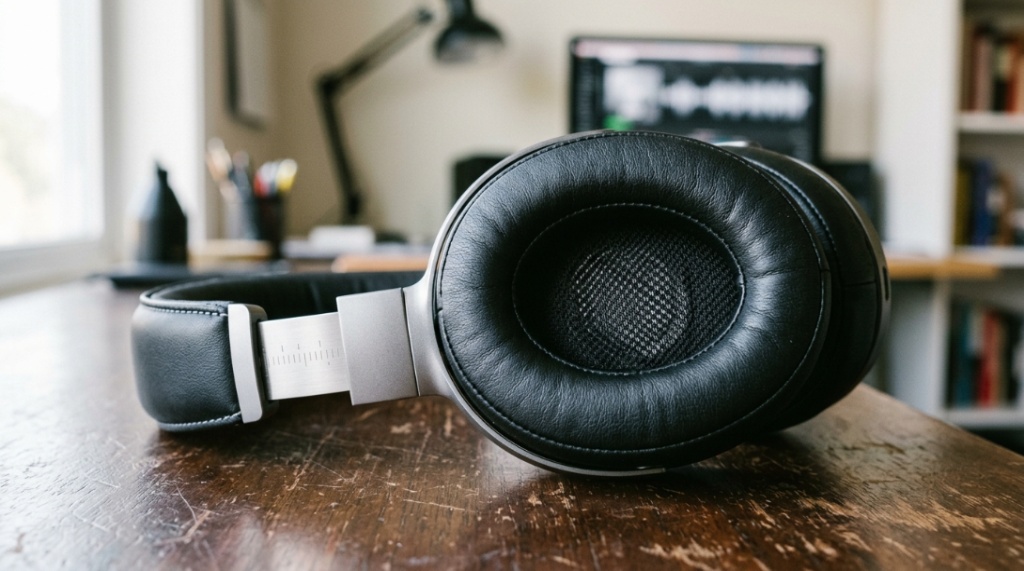
Airplane cabin noise (75–85dB sustained for hours) falls just below the threshold that causes immediate hearing damage but high enough to create auditory fatigue, stress hormone elevation, disrupted sleep, and sensory overload in children whose developing nervous systems are far more sensitive to sustained noise exposure than adults.
Flight noise effects on children:
- Auditory fatigue: 3+ hours of 80 dB constant noise exhausts the cochlear hair cells—not enough to cause permanent damage in a single flight but enough to create temporary hearing sensitivity, tinnitus-like ringing, and irritability post-flight that parents attribute to “tiredness” rather than noise exposure.
- Sleep disruption: Children attempting to sleep on aircraft need cabin noise reduced below 50dB for effective rest. Without noise cancellation, the 80 dB ambient prevents deep sleep—producing the “slept but still exhausted” experience common after flights with young children.
- Sensory overload: Children with sensory processing sensitivity (including many neurotypical children under 8) experience cabin noise as genuinely overwhelming—triggering anxiety, crying, and behavioral dysregulation that noise cancellation can prevent entirely.
- Volume escalation danger: Children watching iPad content during flights raise headphone volume to 90–100 dB to hear over 80 dB cabin noise—entering hearing damage territory for the entire flight duration. ANC eliminates this escalation by removing the background noise competing with their content.
The noise cancellation solution: quality ANC headphones reduce cabin noise from 80 dB to 50–55 dB—a reduction that drops perceived loudness by approximately 75% (decibels are logarithmic). This transformed environment allows comfortable listening at a safe 65–70 dB, effective sleep, and significantly reduced sensory load throughout the flight.
What Features Make Headphones Ideal for Kids’ Air Travel?
Ideal kids’ travel headphones combine effective ANC (minimum 25dB reduction for aircraft noise), 20+ hour battery (exceeds any commercial flight), foldable/compact storage design, 85dB volume limiter, comfort maintained against airplane headrest pressure, and airplane adapter compatibility.
Flight-essential feature checklist:
| Feature | Why It’s Critical for Flights | Minimum Spec |
|---|---|---|
| ANC effectiveness | Neutralizes an 80 dB constant engine drone | 25+ dB noise reduction |
| Battery life | Must exceed flight duration + delays + connections | 20+ hours (covers any route) |
| Foldable design | Fits in carry-on/personal item without bulk | Compact fold with case included |
| Volume limiter | Prevents noise-escalation hearing damage during flights. | Hardware 85dB cap |
| Wired backup option | Airline entertainment systems require 3.5mm jack | Included aux cable (some need airplane adapter) |
| Headrest-compatible cushions | Comfort when head pressed against seat during rest/sleep | Slim ear cups that don’t shift against seat |
| Quick-charge capability | Emergency charge during layover if battery low | 10-min charge = 2+ hours playback |
Which Kids’ Headphones Perform Best on Airplanes?
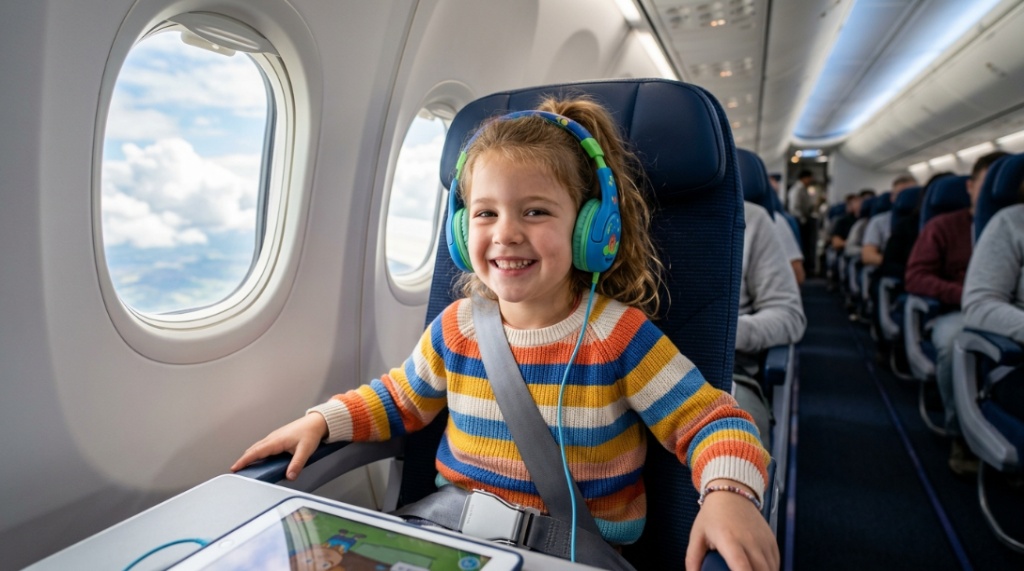
The best-performing kids’ headphones for airplane use are JBL JR460NC (best ANC at budget price, 30-hour battery), Puro BT2200 Plus (best hearing safety + ANC), and BuddyPhones Cosmos+ (best comfort for younger flyers with ANC and 24-hour battery).
- JBL JR460NC ($50–$70): A 30-hour battery ensures even trans-Pacific flights are covered with margin. ANC effectively reduces cabin drone. 85dB volume cap. Built-in mic for calls. Foldable with carry pouch. An aux cable is included for airline entertainment. The best all-around flight headphone for kids at an accessible price. Ages 6–12.
- Puro BT2200 Plus ($80–$100): 22-hour battery. Audiologist-verified 85dB limit. ANC reduces ambient noise by 82%. Premium comfort cushions for extended wear. Lightweight (175g). The premium choice for parents prioritizing hearing safety alongside flight performance. Ages 5–12.
- BuddyPhones Cosmos+ ($60–$80): 24-hour battery. ANC with SafeAudio limiting (switchable 75/85/94 dB). Ultra-lightweight 152g — the lightest ANC option for kids. Hypoallergenic cushions for sensitive skin. Foldable flat. Best for younger travelers (4–8) who need maximum comfort at minimum weight.
- Sony WH-1000XM5 — for teens only ($300+): Industry-leading ANC demolishes cabin noise. But no kid-specific volume limit — only appropriate for responsible teens 14+ who manage their own volume. Not for younger children.
How Do You Prepare Kids’ Headphones for Flight Day?
Prepare by fully charging the night before (verify 100%); packing the aux cable and airplane adapter in an accessible pocket; downloading all entertainment content for offline use; and having your child wear the headphones for 30+ minutes at home to confirm comfort and familiarity before the airport.
Pre-flight preparation checklist:
- Night before: Full charge to 100%. Verify the battery indicator shows full. Pack the charging cable in the carry-on (not checked luggage) for layover top-ups. Coil aux cable with headphones.
- Download content: Download movies, shows, audiobooks, and games to the device for offline access. Airplane WiFi is unreliable — offline content guarantees entertainment regardless of connectivity.
- Comfort pre-test: Have your child wear headphones during a 30-minute home activity the day before. This confirms fit, identifies any comfort issues, and makes the headphones familiar (not novel/distracting) by flight day.
- Pack accessibly: Headphones should be in the seat pocket or child’s personal bag—not buried in the overhead bin. They’re needed from takeoff (engine noise begins immediately) through landing. Accessibility prevents the “wait until we’re in the air” delay that exposes children to 15–20 minutes of unmitigated cabin noise during taxi and climb.
- Airplane adapter: Many airlines still use dual-prong audio jacks for seatback entertainment. Pack a dual-to-single-prong adapter ($3–$5) or verify your headphones’ aux cable works with the airline’s system. Some newer aircraft use a standard single 3.5mm—check your airline’s fleet information.
How Do You Keep Headphones Comfortable Against Airplane Seats?
Maintain comfort against airplane headrests by choosing headphones with slim-profile ear cups (under 25mm depth), soft cushioning that compresses without creating pressure points, and a headband flexible enough to maintain seal even when the child’s head tilts sideways against the seat during sleep.
Airplane seat comfort strategies:
- Slim cup profile: Thick ear cups (30 mm+) create leverage against the headrest—pushing the headphone forward and breaking the ear seal. Slim cups (20–25 mm) sit flat against the headrest without displacement, maintaining both comfort and ANC seal.
- Sleep positioning: Children tilt their heads sideways against the seat window or headrest wings during sleep. Headphones must maintain a seal and comfort in this tilted position—not pop off or create asymmetric pressure. Over-ear designs with soft clamping handles side-sleep better than rigid on-ear designs.
- Neck pillow compatibility: If using a travel neck pillow, verify the headphones don’t conflict with pillow positioning. U-shaped neck pillows work fine with most over-ear headphones. Full-wrap pillows may push against ear cups uncomfortably.
- Temperature management: Aircraft cabins vary from warm (boarding) to cool (cruise altitude) to warm (descent). Breathable ear cushion materials prevent the sweat-discomfort cycle that sealed leather creates during temperature transitions. Fabric or mesh-covered cushions handle these transitions best.
What About Flights With Infants and Toddlers (Under 4)?
Children under 4 generally cannot tolerate over-ear headphones for extended periods and benefit more from passive noise-reducing ear protection (baby earmuffs rated NRR 22+) rather than active ANC headphones, providing noise reduction without requiring audio content or electronic operation.
- Ages 0–18 months: Passive baby earmuffs (Baby Banz, Mffy) rated NRR 22–31. Simply reduce noise passively through physical sound blocking. No audio, no battery, no electronics. The child doesn’t need to “use” them—just wear them. Reduces cabin noise from 80dB to approximately 55–60dB.
- Ages 18 months–3 years: Passive earmuffs remain appropriate. Some toddlers accept headphones for brief periods—BuddyPhones InFlight Junior (volume-limited, lightweight) is designed for this age range. Expect a 15–30 minute maximum wear tolerance at this age.
- Ages 3–4: Transition zone. Some children accept over-ear ANC headphones; others still prefer passive earmuffs. BuddyPhones Cosmos+ (152g, 75dB mode) is the lightest, gentlest option for this age group attempting ANC headphones.
Key principle for under-4 travelers: any noise reduction that the child tolerates wearing is better than perfect noise reduction that gets pulled off within 2 minutes. Match the solution to the child’s cooperation level rather than the ideal technology specification.
Finding the right audio gear depends entirely on the activity at hand. While keeping children relaxed in a tight cabin space requires maximum padding and strict volume limits, adult fitness enthusiasts need a completely different design framework focused on stability, sweat resistance, and ambient awareness. If you are looking to upgrade your own workout gear alongside your child’s travel setup, check out our curated guide on the Best Radio Headsets for Runners to find a secure, lightweight fit that stays put during high-intensity training.
Conclusion
The right travel headphones for kids transform flights from sensory assaults into manageable journeys—reducing 80 dB cabin noise to comfortable levels, preventing hearing damage from volume escalation, enabling genuine sleep at altitude, and keeping children calm through hours of confined travel. The investment ($50–$100 for quality kids’ ANC headphones) pays dividends across every single flight your family takes—potentially dozens of times over the headphones’ lifespan.
Choose headphones with flight-specific priorities: effective ANC for engine noise, battery exceeding any flight duration, foldable compact design, wired backup for airline systems, and comfort maintained against airplane seating for hours. Prepare the night before (charge, download, pre-test comfort). And remember that comfortable headphones for kids during flights benefit everyone — your child arrives less exhausted, you arrive less stressed, and 200 fellow passengers arrive without having endured your child’s noise-induced meltdown. Everyone wins when children fly with proper audio protection.
Frequently Asked Questions
Can kids wear noise-canceling headphones during takeoff and landing?
Airlines typically require headphones to be removed during safety briefings and allow them during actual takeoff and landing (though policies vary). ANC headphones don’t interfere with aircraft systems — they’re consumer electronics using sound waves, not radio frequencies. Most parents put headphones on children after safety briefing completion and remove them briefly if the crew requests during announcements. Passive earmuffs (no electronics) have zero restrictions at any flight phase.
How long does the battery last on kids’ ANC headphones?
Quality kids’ ANC headphones last 20–30 hours on a single charge (JBL JR460NC: 30 hours, BuddyPhones Cosmos+: 24 hours, Puro BT2200 Plus: 22 hours). This exceeds even the longest commercial flights (18–19 hours non-stop). Always bring the aux cable as backup—wired mode works indefinitely with no battery, and ANC typically still functions on the remaining battery even when Bluetooth audio dies.
Do kids need an airplane audio adapter?
Many older aircraft use dual-prong (2-pin) audio jacks for seatback entertainment systems. A dual-to-single prong adapter ($3–$5, widely available) allows any standard 3.5mm headphone to connect. Newer aircraft increasingly use standard single 3.5mm or even Bluetooth pairing. Check your specific airline/aircraft entertainment system before travel—or simply pack the $3 adapter as insurance regardless.
What if my child won’t keep headphones on during the flight?
If rejection happens: first verify fit and comfort (wrong size causes rejection); try re-introducing during engaging content (favorite movie/show); ensure volume is actually audible (too quiet = no perceived benefit = removal). For persistently resistant children under 5, accept partial use (during movies only, removed during sleep) rather than forcing continuous wear. Even 2–3 hours of protected listening is better than zero. For sensory-sensitive children, passive earmuffs with no audio component often have higher acceptance than full headphones.
Are wireless headphones allowed on all airlines?
Bluetooth headphones are permitted by all major airlines during flight (once electronic devices are allowed). They must be in airplane mode during taxi on some carriers—but Bluetooth typically remains functional in airplane mode on modern devices. For airline seatback entertainment, a wired connection is still required on most systems—always carry the aux cable for this purpose.
Can ANC headphones help kids sleep on planes?
Significantly. By reducing cabin noise from 80dB to 50–55dB, ANC creates an environment quiet enough for genuine sleep. Without audio playing (ANC only, no content), the child experiences near-silence — dramatically improving both time-to-sleep and sleep quality at altitude. Many parents report their children sleep within 15 minutes of activating ANC during nighttime flights versus 45+ minutes of restless attempts without noise reduction.