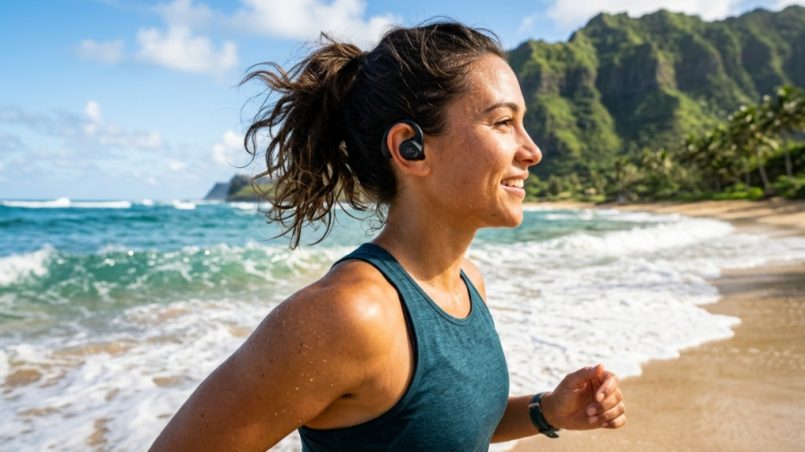
You finally landed in Honolulu, ready to hike Diamond Head, snorkel Hanauma Bay, and chase waterfalls in Manoa. But your favorite earbuds just died after one sweaty jog along Ala Moana Beach Park. Frustrating, right? The Hawaiian climate—a mix of relentless humidity, sudden tropical downpours, ocean spray, and intense UV rays—is uniquely brutal on consumer electronics. Standard “sweat-resistant” buds simply won’t cut it here. To find gear that survives, you need to understand specific IP ratings, materials that resist salt corrosion, and battery performance in heat, not just glance at marketing claims. This guide breaks down exactly how to compare waterproof earbuds Hawaiian climate demands, helping you choose a pair that endures your island adventures without breaking your budget.
Why Is the Hawaiian Climate So Hard on Earbuds?
The unique combination of salt air, high humidity (often 70%+), and abrasive volcanic dust creates a perfect storm for device failure. Unlike dry climates where sweat is the main enemy, Hawaii introduces a corrosive saline mist that attacks exposed metal contacts and degrades adhesives. An IPX7 rating alone doesn’t guarantee survival here.
Understanding Salt Air Corrosion (The Hidden Killer)
Salt particles in ocean breezes accelerate electrochemical corrosion on charging pins and mesh grilles. Over time, this can cause crackling audio and intermittent charging. Look for earbuds with gold-plated contacts or a nano-coating over internal components, not just a rubber flap sealing the case.
UV Radiation and Material Degradation
Direct Hawaiian sun makes cheap plastics brittle. UV rays break down the polymer structure over months. For long-term durability, check if the earbud shell uses anodized aluminum or UV-stabilized ABS plastic rather than glossy, thin polycarbonate.
High Humidity and Internal Condensation
Rapid temperature changes—from an air-conditioned car to a 30°C humid trail—cause condensation inside acoustic chambers. This can distort drivers. Earbuds with hydrophobic nano-mesh vents (like those from Jabra or newer Shokz models) allow pressure equalization without letting moisture in.
What Does an IP Rating Really Mean for Ocean and Rain?
IP ratings are not all equal. For Hawaii, an IPX7 (immersion up to 1 meter) is the minimum I recommend, but IP68 (continuous immersion) offers far better peace of mind for accidental drops in tide pools. However, remember that IP testing uses freshwater; salt water is a different beast.
IPX7 vs. IP68: The Practical Difference on a Surfboard
IPX7 handles a quick dip or heavy rain easily. IP68 can technically be submerged deeper and longer. If you plan to wear buds while bodyboarding or get caught in a sudden Kona storm, IP68 provides a larger safety buffer. Always verify the testing conditions—some brands state “freshwater only.”
Why “Waterproof” Is a Misleading Term
No consumer earbud is truly 100% waterproof. They are water-resistant. The key is the ingress protection against solid particles (the first digit, often ‘X’ for unknown) and liquids (second digit). For Hawaii, also pay attention to the first digit—dust resistance matters because volcanic ash and fine sand can jam buttons and microphones.
The Importance of a Sealed Charging Case
Your earbuds might survive a dip, but your charging case won’t if it has an open USB port. Compare the case’s IP rating (rarely listed). A case with a rubber gasket and a magnetic, sealed lid is essential to prevent moisture from wrecking the battery when you store wet buds after a trail run,While investing in rugged, weather-resistant gear is essential for island adventures, you don’t necessarily have to break the bank to get great sound quality; if you are shopping on a budget, check out our top picks to Pick Wireless Earbuds Under $50 in CA for your next trip.
How Should You Test Earbud Fit for Humid, Active Conditions?
In Hawaii’s humidity, sweat builds up faster than anywhere else. A secure fit isn’t just about comfort; it’s about preventing micro-movements that allow sweat to seep into seams. The best test is the “shake test” combined with silicon wing tips or ear fins.
Fin vs. Wing vs. Twist-Lock: Which Anchors Better?
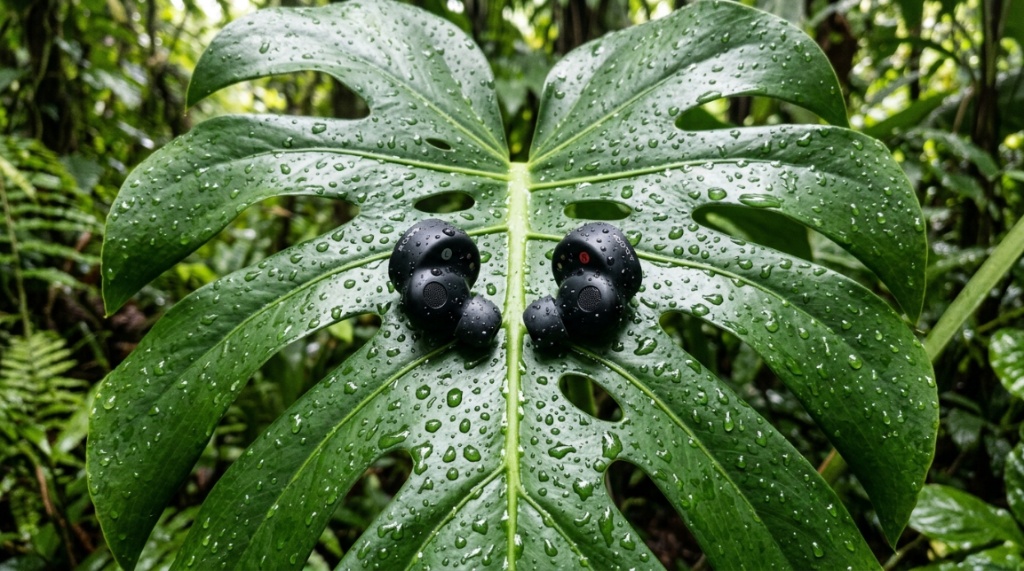
Ear fins (like on Beats Fit Pro) hook into the anti-helix. Wings (like older Bose models) fold into the concha. Twist-lock ear tips (like Sony’s 360 Reality Audio) create a rotational seal. For high-impact hiking or surfing, fins provide the most redundant anchor point, preventing rotation that breaks the seal.
Checking the Nozzle Mesh for Salt Clogging
Examine the nozzle’s mesh. A tight, fine weave prevents salt crystals from lodging deep inside. If the mesh looks like a wide grid, you’ll likely need to clean it weekly. Look for earbuds with an angled nozzle that naturally sheds water, like the design on the newer Jaybird Vistas.
Why Weight Distribution Matters in High Wind
Trade winds on the North Shore can gust over 20 mph. Heavier earbuds (over 6 grams each) tend to loosen and bounce, letting wind noise ruin your podcasts. Aim for lighter, stemless designs under 5.5 grams that sit flush in the ear canal.
Which Features Matter Most for Sudden Tropical Downpours?
When a blue sky turns black in minutes, you need earbuds that switch from “music mode” to “survival mode” instantly. Physical buttons are superior to touch controls because they work when wet. Also, prioritize active noise cancellation (ANC) that handles wind noise reduction.
Physical Buttons vs. Touch Controls in Rain
Touch controls on wet skin are a nightmare—they skip tracks when you’re adjusting your hat. Compare models with tactile click buttons (like the Powerbeats Pro 2) for reliable control during a downpour or while wearing a rain jacket hood.
Wind Noise Reduction Technology Is Non-Negotiable
Hawaii’s trade winds generate constant low-frequency rumble. Look for earbuds with multiple microphones and an “adaptive wind reduction” setting. This isn’t just for calls; it also improves ANC quality when you’re riding a bike along the Pali Highway.
Battery Life Under Heat Stress: What to Expect
Heat exponentially drains lithium-ion batteries. A pair rated for 8 hours in moderate 20°C may only last 6 hours in 30°C heat with ANC on. Compare battery specs with this 20% heat derating factor in mind. Also, check if the case supports fast charging—10 minutes for 1 hour is crucial for quick beach trips.
Can You Use Earbuds for Snorkeling or Only Swimming?
You can use them for shallow snorkeling if they have IP68 and a secure fit. However, Bluetooth does not transmit underwater. You’ll need to download music to internal storage (like Sony Walkman earbuds) or accept audio cutouts. For Hawaii’s coral reefs, consider bone-conduction for safety awareness.
Bluetooth Limitations Underwater (You Can’t Beat Physics)
Water absorbs 2.4 GHz radio waves quickly. If you submerge your head, the signal from your phone on the surface or in a dry bag disappears instantly. If underwater audio is essential, only MP3-capable earbuds (like the older Sony WF-SP900) will work—but they sound weak due to water displacement.
Bone Conduction for Safety Around Reefs and Boats
While not technically earbuds, open-ear bone conduction (Shokz OpenSwim) allows you to hear boats and friends while swimming. They have no ear tips to lose and are truly hermetic. If your main activity is water-based, this is often a better comparison point than traditional buds.
Cleaning After Salt Water Exposure Immediately
Even with IP68, rinse earbuds in fresh water after any saltwater contact. Failure to do this will void the warranty eventually. Some brands include a “salt water rinse mode” that plays a specific low-frequency tone to eject salt particles. This is a feature you should actively seek out.
When Is Wireless Charging a Safety Hazard in Humidity?
Wireless charging generates heat. In a humid environment, that heat encourages condensation inside the charging case. If you store damp earbuds in a wirelessly charging case, you’re basically creating a sauna for the battery. Wired charging is often safer for humid climates.
The Condensation Trap in Charging Cases
When you place warm, sweaty earbuds into a cool, sealed case, moisture condenses on the internal electronics. With wireless charging, the induction coil itself warms up, drawing moisture toward the battery contacts. This accelerates failure.
Why Wired USB-C is More Reliable in Coastal Areas
Wired charging allows the case to vent heat more effectively. Additionally, you can easily dry the charging pins with a cotton swab before connecting. If you must have wireless charging, ensure the case is rated IPX4 or higher and has a built-in desiccant pack.
Comparing Charging Port Cover Durability
Check if the USB-C port cover is rubber or a rigid aluminum hinge. In Hawaii, rubber degrades quickly. A sliding metal door (like on some Anker models) provides better long-term sealing against salt-laden air.
How to Compare Battery Life Claims for Heat and Humidity
Manufacturers test battery life in controlled 25°C ambient temperatures. In Hawaii, your phone is also working harder (more signal searching in valleys), but your earbud battery is separate. Focus on the AAC/SBC codec settings versus LDAC, as high-res codecs drain battery 30% faster.
Codec Efficiency: SBC vs. AAC vs. LDAC
AAC is optimized for iPhones and offers decent battery life. LDAC sounds great but scales up processing power, draining your battery in 4 hours instead of 6. For Hawaii’s climate, choose earbuds that use Bluetooth 5.3 with LE Audio, which cuts power consumption by up to 50%.
The Role of ANC in Battery Drain During Outdoor Use
ANC is a power hog. In windy environments, the microphones work harder to cancel noise, increasing drain. Compare “ANC on” battery specs, not just “ANC off” numbers, because you’ll likely keep ANC on to hear podcasts over the ocean waves.
Estimating Real-World Runtime at 30°C
Apply a 15–20% underperformance factor to standard specs. A model rated for 9 hours will realistically give you 7.5 hours in Hawaiian summer heat. Always buy earbuds with a charging case that provides at least two additional full charges to cover this gap.
Which Earbud Materials Resist Salt Water and UV Best?
The housing material defines long-term durability. Avoid bare glossy plastics. Look for matte, textured finishes or metal rings. Ceramic and sapphire-coated covers are more durable but cost more. Rubber is comfortable but ironically degrades faster in UV than plastic.
Graphene-Coated Drivers vs. Standard Dynamic Drivers
Graphene coating is hydrophobic and resists salt corrosion better than titanium-coated drivers. Some premium models (like the Technics AZ80) use this, offering clearer audio even after prolonged humidity exposure. This is a technical spec worth paying attention to.
Anodized Aluminum vs. Plastic for Thermal Management
Anodized aluminum shells wick heat away from internal components, preventing premature battery failure. However, they can feel cold against the skin initially. Plastic shells are lighter but insulate heat, causing higher operating temperatures.
Why You Should Avoid Memory Foam Tips in Rain
Memory foam ear tips absorb water and become soggy, providing excellent breeding grounds for bacteria. In humid Hawaii, opt for silicone or medical-grade TPE tips with a hydrophobic coating that don’t absorb moisture.
Is ANC Worth It in Hawaii or Will It Ruin the Ambiance?
ANC is worth it for flights and busy streets, but for hiking near the ocean, you might switch to transparency mode. However, the best waterproof earbuds offer hybrid ANC with a “wind filter” that doesn’t fully block the natural soundscape.
Controlled ANC for Wave Sounds
Some models have adaptive ANC levels. Setting it to “low” reduces surf noise without utterly blocking the sound of approaching boats or other hikers. This feature is more important than maximum noise cancellation in Hawaii.
Transparency Mode with Wind Suppression
Check if the transparency mode has a built-in wind suppression feature. Without it, a coastal breeze sounds like a hurricane. Models from Samsung and Sony do this well.
Hearing Safety with Open Ear vs. Closed Earbuds
For busy roads without paths (e.g., going to Lanikai), closed earbuds that block all noise are dangerous. An open ear or bone conduction option lets you hear traffic. Compare both types considering your daily commute around the island.
How to Set Up Your Earbuds for a 10-Mile Oceanfront Run
Preparation is everything. Charge fully, apply a silicone hydrophobic spray (yes, it’s safe for electronics), and load your playlist on your phone. Set the EQ to “vocal” for clearer audiobooks over the wind,Don’t let the next spontaneous shower catch you off guard. Invest in gear that keeps up with your island lifestyle, not one that quits at the first sign of trade winds. Explore a full list of vetted models waterproof earbuds Hawaiian climate and make your choice today with confidence.
Step-by-Step: Pre-Run Sealing Protocol
- Wipe the charging contacts with isopropyl alcohol to remove any oxide film.
- Apply a thin layer of dielectric grease to the metal contacts around the nozzle (optional).
- Do the “knot test”: fit the buds and shake your head vigorously side to side for 10 seconds.
- Switch on wind reduction mode and test call quality with a friend.
Real-Time Adjustment Rules for Sweat
Wipe the outer shell with a microfibre towel every 2 miles. If you feel a tickling sensation, it means sweat is entering the ear canal, potentially pushing the tip out. Reinsert immediately to prevent chafing.
Post-Run Cleaning Routine for Longevity
Rinse under lukewarm tap water (max 30 seconds) with the buds on. Play a 100Hz tone at max volume to expel trapped water. Dry the case vents with a compressed air can. Never use a hairdryer, as heat will melt internal seals.
Comparing Top Brands: Who Actually Handles Hawaiian Conditions?
| Brand | IP Rating | Salt Resistance | Heat Performance | Best For |
|---|---|---|---|---|
| Jabra Elite 8 Active | IP68 | Excellent (marine tested) | Good (high battery heat) | Heavy surf and hiking |
| Beats Fit Pro | IPX4 | Poor (sweat only) | Mediocre | Gym indoor only |
| Sony WF-1000XM5 | IPX4 | Bad (not for ocean) | Good with vent | Casual urban wear |
| JBL Reflect Aero | IP68 | Very Good | Excellent | Trail running in rain |
| Shokz OpenSwim | IP68 | Excellent (bone) | Excellent | Swimming/snorkeling |
What Are the Hidden Maintenance Costs in Hawaii?
Beyond the initial price, replaceable ear tips will need quarterly replacement due to UV and salt wear. Budget $20–30 annually for new tips. Also, consider extended warranty plans that cover salt corrosion—most standard warranties exclude it.
The Real Cost of Desiccant Packs
Store your earbuds in a sealed tin with a small silica gel pack. These packs need recharging (baking in the oven) every month. Factor this into your maintenance routine, especially during the rainy season.
Professional Cleaning Services: Are They Available?
Some local electronics shops in Honolulu offer ultrasonic cleaning for earbuds ($15–25). This is worth it if you’ve ignored salt build-up for too long. Do this once every six months to clear out internal residue.
Case Replacement Frequency
The charging case usually fails before the earbuds. A replacement case costs between $50–100. Look for brands that sell cases separately. For long-term savings, invest $20 in a hard-shell waterproof case (like a Pelican Micro) for your earbud case.
Frequently Asked Questions
Can I use waterproof earbuds in Hawaiian climate?
Yes, but only if they have at least IPX7 protection and are rated for saltwater exposure. Standard sweat-resistant earbuds will corrode quickly in the island’s salty air and high humidity.
Should I buy wireless or wired earbuds for the beach?
Wireless is more comfortable, but wired with a waterproof jack can be more reliable under constant wet conditions. Wireless with Bluetooth 5.3 is now the standard choice for hassle-free beach use.
Will earwax buildup be worse in Hawaii?
Yes. Warmer temperatures can increase sweat and earwax production. You’ll need to clean your ear tips more often with warm water and mild soap—at least twice a week. Avoid using cotton swabs inside the earbud nozzle.
Does humidity make earbuds louder or quieter?
It can make them quieter. High humidity changes air pressure, which can dampen the bass response temporarily. Also, moisture can block the tiny acoustic vents. Allow them to dry for 20 minutes before critical listening.
Can I wear earbuds while scuba diving in Hawaii?
No. Consumer earbuds are not rated for high-pressure underwater environments. Use them only for surface swimming or snorkeling, not below 2 meters of depth.
How do I get sand out of the charging case?
Use a soft brush (like a toothbrush) to sweep sand out. If sand is stuck, use compressed air. Never blow with your mouth, as saliva introduces moisture.
What codec should I use in Hawaii to save battery?
Use AAC for iPhone or SBC for Android. These are more efficient than LDAC or aptX HD in humid conditions, preserving battery life during long outdoor sessions.
Conclusion
Choosing the right earbuds for Hawaii comes down to treating them as outdoor gear, not just gadgets. You need IP68 or at least a strong IPX7 rating, a sealed case, UV-stable materials, and a wind-reducing ANC feature. You don’t need to spend $300, but you must critically evaluate salt resistance and battery heat performance. Start by listing your primary activities—surfing, hiking, or daily commute—and match the IP rating to that specific use case. Once you’ve identified models meeting these criteria, test the fit for 15 minutes in a warm room to simulate humidity. Your ears will thank you.